
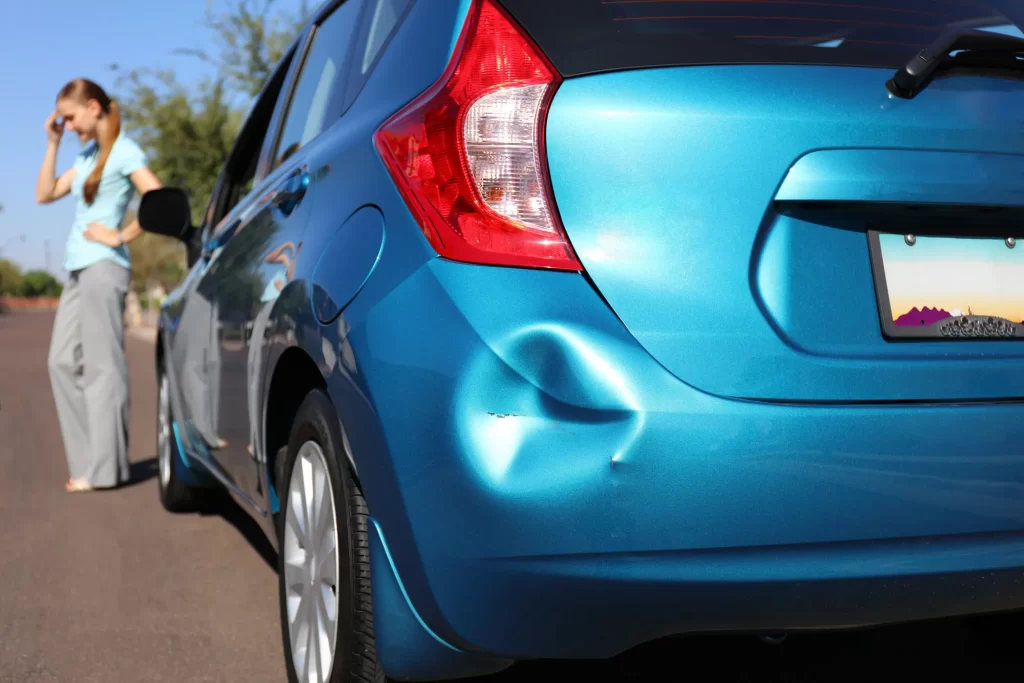
It happens in seconds.
You’re easing out of a parking spot at a busy Lewisville shopping center, or inching forward in traffic on Main Street, when you feel that unmistakable bump. Nothing dramatic. No airbags. No injuries. Just a dent, some paint transfer, and a sinking feeling in your stomach.
Your first thought is probably:
“Do I need to call my insurance company?”
The answer isn’t always yes. In fact, for minor accidents, calling insurance immediately can sometimes create more headaches than it solves. Before you pick up the phone, here’s what Lewisville drivers should know to protect their vehicle, their wallet, and their peace of mind.
Step 1: Make Sure Everyone Is Safe and Document Everything
Safety always comes first. If anyone is injured, call emergency services right away. But in many low-speed fender benders, the damage is limited to vehicles.
Once you confirm everyone is okay, take a few minutes to document the scene.
What to capture:
- Photos of both vehicles from multiple angles
- Close-ups of the damage
- License plates
- The surrounding area (parking lot, street signs, traffic conditions)
- Contact and insurance information from the other driver
Good documentation protects you if details are disputed later. It also helps repair shops and insurers understand exactly what happened.
Step 2: Understand When Insurance Makes Sense
Insurance exists to protect you from major financial loss. There are situations where filing a claim is absolutely the right move.
Consider calling insurance if:
- There are injuries
- Damage is extensive or structural
- Liability is unclear or disputed
- A leased or financed vehicle is involved
- Another driver insists on filing a claim
Policies vary, so drivers should confirm coverage details, deductibles, and reporting requirements with their insurer.
For serious accidents, insurance is essential. But for minor damage, it may not always be the best first step.
Step 3: When Paying Out of Pocket May Be the Smarter Choice
Not every dent requires an insurance claim.
In Lewisville, many minor accidents happen in parking lots, tight retail centers, and school pickup lines. These often result in cosmetic damage that may cost less to repair than your deductible.
Common examples:
- Small bumper dents
- Paint transfer or scuffs
- Minor dings from low-speed contact
- Cracked trim or plastic panels
If your deductible is $500 or $1,000 and the repair costs less than that, filing a claim may not provide any financial benefit.
In some cases, it could even lead to higher premiums later.
Step 4: How Claims Can Affect Your Insurance Premium
Many drivers assume that insurance rates only increase after major accidents. That’s not always the case.
While every insurer evaluates risk differently, factors that may influence premiums include:
- Fault determination
- Claim frequency
- Driving history
- Policy details
This doesn’t mean your rates will automatically rise after a minor claim. However, it’s wise to weigh the long-term impact before filing for small repairs.
A quick professional estimate can help you make a more informed decision.
Step 5: Why a Professional Inspection Matters First
What looks minor on the surface can hide deeper issues.
Modern vehicles are more complex than ever. Behind today’s bumpers are sensors, mounts, and structural components that may be affected even in low-speed impacts.
A professional inspection can identify:
- Hidden structural stress
- Sensor or alignment issues
- Paint damage that could lead to rust
- Cracked mounting points or brackets
Getting an inspection before calling insurance gives you clarity. You’ll know whether the damage is truly minor or something that needs a claim.
Local Insight: Lewisville Driving Realities
Lewisville’s growth has brought more traffic, tighter parking areas, and busier retail corridors. Minor collisions are more common in places like:
- Grocery store parking lots
- School zones and pickup lines
- Downtown Lewisville street parking
- Busy intersections near I-35E
Most of these incidents involve cosmetic damage — but that doesn’t mean they should be ignored. Small dents can affect resale value, and untreated paint damage can lead to corrosion over time.
Step 6: Know Your Options Before You Decide
After a minor accident, you typically have three options:
1. File an insurance claim
Best for major damage, injuries, or liability disputes.
2. Pay out of pocket
Often ideal for minor cosmetic repairs.
3. Get a professional evaluation first
The smartest starting point for most situations.
An experienced collision shop can help you understand the true scope of damage and provide guidance without pressure.
Why Starting with a Trusted Local Shop Helps
When you start with a local repair professional, you get:
- Honest damage assessments
- Clear repair estimates
- Guidance on whether a claim makes sense
- Help navigating insurance if needed
A good shop isn’t there to push repairs — it’s there to help you make the best decision for your situation.
Final Thoughts: Pause Before You Call
A fender bender can feel overwhelming in the moment. But taking a few extra minutes to document the damage, understand your options, and get a professional opinion can save you time, money, and frustration.
Insurance is a valuable tool, but it’s not always the first step for minor accidents. Sometimes the smartest move is simply gathering the facts and choosing the path that protects your vehicle and your finances.
Need Help After a Minor Accident in Lewisville?
If you’ve been in a fender bender and aren’t sure what to do next, start with a professional inspection. Lone Star Paint & Body can help you understand the damage, review your repair options, and decide whether filing a claim makes sense for your situation.
No pressure. Just honest guidance from a local team that’s here to help.