
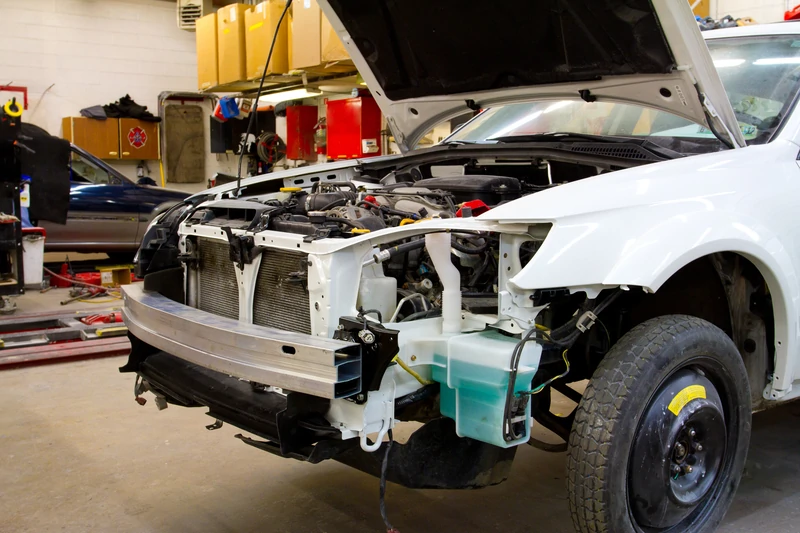
After an accident, it is natural to focus on the damage you can see: a dented bumper, scraped paint, a damaged fender, or a panel that no longer lines up correctly. But visible damage does not always show the full effect of an impact.
Modern vehicles contain structural components, brackets, wiring, cameras, sensors, and other systems behind exterior panels. That means even a relatively minor collision may require a closer inspection before the full repair plan is clear.
If your vehicle has been in an accident, a professional collision repair evaluation can help determine whether the damage is limited to the exterior or extends beneath the surface.
Why Collision Damage Is Not Always Obvious
Vehicle bodies are designed with multiple layers and components working together. Exterior panels may cover impact absorbers, mounting points, reinforcements, wiring, sensors, and structural areas that cannot be fully evaluated from a quick walk-around.
- Bumper covers can flex or return close to their original shape while components behind them remain damaged.
- Mounting brackets and clips can crack or bend without being visible from outside the vehicle.
- Structural components may require measurements to determine whether they were affected by an impact.
- Cameras and sensors may be located behind bumpers, mirrors, windshields, grilles, and body panels.
This is why an estimate based only on exterior photos may be a useful starting point, but it may not reveal everything needed for the final repair.
Common Areas Where Hidden Damage May Be Found
Bumpers, Reinforcements, and Mounting Points
A bumper may show only a scuff or dent while the absorber, reinforcement, brackets, clips, or nearby mounting points behind it have also been affected. If the impact involved the front or rear bumper, learn more about bumper repair in Lewisville and how repair or replacement decisions are made.
Structural and Frame-Related Damage
Some impacts can affect structural components or vehicle measurements. Possible signs can include uneven panel gaps, alignment concerns, unusual tire wear, or a vehicle that does not seem to track the way it did before the accident.
When structural damage is suspected, the vehicle may need measurements and a closer evaluation. Lone Star Paint & Body provides frame repair and structural repair when collision damage affects these areas.
Suspension and Steering Components
If a wheel, tire, or corner of the vehicle takes an impact, suspension or steering components may also need attention. Symptoms can include pulling, vibration, unusual steering feel, or changes in tire wear.
Sensors, Cameras, and Driver-Assistance Systems
Many newer vehicles use cameras, radar, ultrasonic sensors, and other electronic systems to support features such as parking assistance, blind-spot monitoring, adaptive cruise control, and forward collision warning.
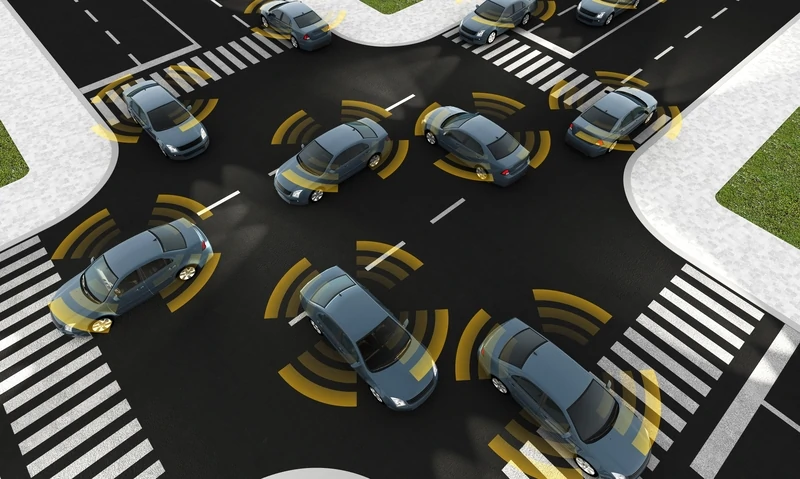
After a collision, these systems may need to be inspected, scanned, or calibrated depending on the vehicle, the location of the damage, and the repairs performed.
Wiring, Connectors, and Electrical Components
Impacts can also affect wiring, connectors, lights, modules, and electrical components located behind damaged panels. Some problems are obvious immediately, while others may appear intermittently.
Signs Your Vehicle May Need a Closer Inspection
A vehicle that still drives after an accident may nevertheless have damage that deserves attention. Watch for changes that were not present before the collision, including:
- Pulling or drifting to one side
- New vibration through the steering wheel or vehicle
- Uneven panel gaps or doors, hood, or trunk that do not close normally
- Unusual tire wear or steering changes
- New warning lights or sensor messages
- Loose trim, rattles, or new road noise
- Fluid leaks or visible damage underneath the vehicle
If you are dealing with a recent low-speed accident, our article After a Fender Bender in Lewisville explains what to document and what to consider before making repair and insurance decisions.
Why an Online or Visual Estimate May Change After Disassembly
Photos and exterior inspections are valuable because they help identify visible damage and provide a starting point. But some collision damage cannot be confirmed until damaged parts are removed and the areas behind them can be inspected.
Depending on the vehicle and impact, a complete repair evaluation may involve:
- Removing a bumper cover, trim, or damaged panel where appropriate
- Inspecting reinforcements, absorbers, brackets, and mounting points
- Checking structural measurements when indicated
- Scanning vehicle systems for stored diagnostic information
- Reviewing additional damage discovered during the repair process
When an insurance claim is involved, newly discovered damage may also lead to a supplement or additional repair documentation. Our insurance claim assistance page explains how Lone Star helps with repair-related estimates, supplements, and documentation.
What a Collision Damage Evaluation May Include
The exact process depends on the vehicle and the type of impact, but a collision evaluation may include several of the following steps.
Exterior Damage Review
The shop reviews visible dents, scrapes, cracked parts, damaged panels, paint damage, panel gaps, and other exterior concerns.
Inspection Behind Damaged Areas
When appropriate, damaged components may need to be removed so technicians can inspect brackets, supports, mounting points, and related parts behind them.
Structural or Measurement Checks
If the impact suggests possible structural involvement, measurements can help determine whether affected areas are within the specifications required for the repair.
System Scanning and Calibration Considerations
Depending on the vehicle and repair, diagnostic scanning or calibration procedures may be needed for electronic and driver-assistance systems.
Repair Planning
Once the known damage is documented, the shop can build a more complete repair plan covering body, structural, bumper, paint, parts, and related operations.
When Should You Have Accident Damage Inspected?
It is worth having the damage evaluated when an impact causes visible body damage or when the vehicle feels or behaves differently afterward. A closer inspection is especially useful when the accident involved a bumper, wheel, corner of the vehicle, panel misalignment, or possible structural damage.
If you are unsure where to start after a wreck, our Lewisville Collision Repair & Insurance Guide covers the repair process, insurance estimates, shop choice, towing, and other questions local drivers often have after an accident.
Key Takeaways
- Visible damage may not show the full extent of a collision. Bumpers and body panels can cover brackets, reinforcements, wiring, sensors, and structural components.
- Changes in steering, alignment, panel fit, warning lights, or vehicle behavior deserve attention. These symptoms may indicate damage beyond what is visible outside the vehicle.
- Photo estimates are useful starting points, not always final repair plans. Additional damage may be discovered when damaged components are removed and inspected.
- Modern repairs may involve more than body and paint work. Structural measurements, diagnostic scanning, and system calibration may also be required depending on the vehicle and repair.
- A thorough evaluation helps define the repair before work is completed. The goal is to address the damage that is actually present, not simply improve the vehicle’s appearance.
Need a Collision Damage Evaluation in Lewisville?
If your vehicle was involved in an accident and you are concerned about damage you cannot see, Lone Star Paint & Body provides collision repair in Lewisville, TX for body, bumper, paint, structural, and insurance-related repair needs.
You can request a free online estimate to get started or request an appointment for an in-person evaluation.
Pingback: What to Do After a Car Accident in Lewisville, TX (A Step-by-Step Guide for Local Drivers)
Pingback: After a Fender Bender in Lewisville: What to Do Before You Call Insurance