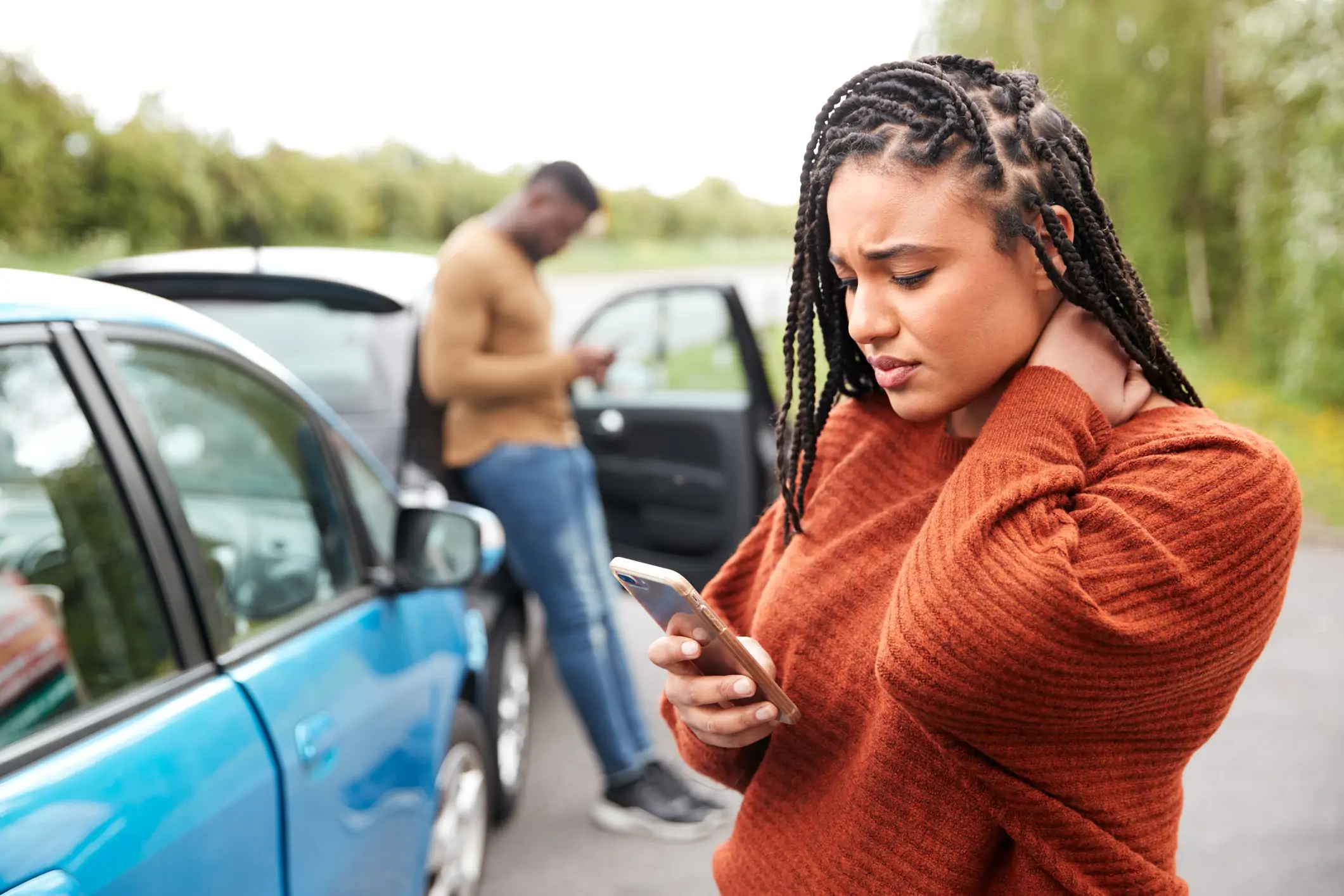
A car accident can turn an ordinary drive through Lewisville into a stressful situation in seconds. Whether the crash happens on I-35E, near Main Street, or on a neighborhood road, knowing what to do next can help you protect yourself, document the damage, and make better repair decisions.
This guide covers the practical steps to take after a crash, from the scene of the accident through estimates, insurance questions, and choosing a collision repair shop in Lewisville.
1. Start With Safety
Your first priority after an accident is making sure everyone is safe.
- If the vehicles can be moved safely, get out of active traffic.
- Turn on your hazard lights.
- Check yourself, your passengers, and others for injuries.
If anyone is injured, traffic conditions are dangerous, or you are unsure what to do, call 911. Depending on the circumstances, contacting local law enforcement can also provide an official record of the accident.
2. Document the Accident Scene
Once everyone is safe, gather as much useful information as you reasonably can.
Exchange Information
- Names and contact details
- Driver’s license information
- Insurance information
- Vehicle make, model, and license plate
Take Photos
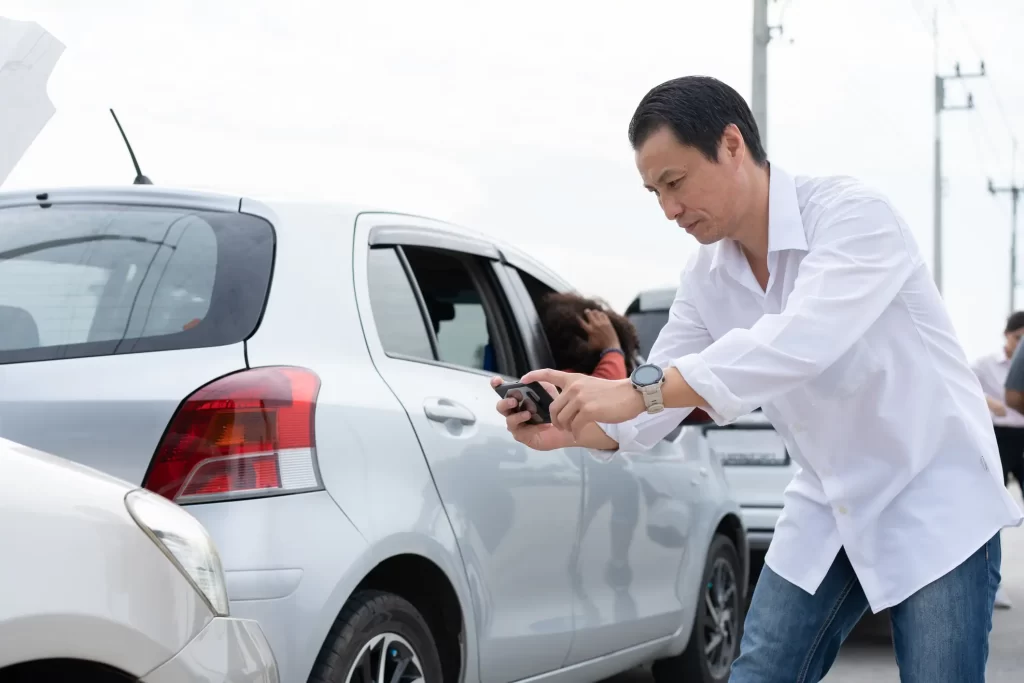
Use your phone to photograph the vehicles from several angles, close-ups of visible damage, the surrounding roadway, traffic signs, and anything else that may help show what happened. These photos can be useful later when discussing repairs or an insurance claim.
Talk to Witnesses When Appropriate
If someone witnessed the accident, ask whether they are willing to provide their name and contact information. Their account may be useful if questions come up later.
3. Understand Your Repair Shop Options
Insurance companies may recommend a repair facility or provide information about shops in their network. That does not mean you should choose a shop without doing your own research. Review your policy, ask questions, and choose a repair facility you are comfortable working with.
If insurance is involved, a shop that regularly handles estimates, supplements, repair documentation, and insurer communication can make the process easier to understand. Lone Star Paint & Body provides insurance claim assistance for collision repairs and can help explain the repair-related steps.
For a more detailed overview of towing, insurance estimates, repair-shop choice, and the collision repair process, see our Lewisville Collision Repair & Insurance Guide.
4. Get the Damage Evaluated
Visible damage does not always tell the whole story. A bumper cover may look only scraped or dented while brackets, sensors, mounting points, alignment, or structural components behind it have also been affected.
If you want to understand why that matters, read our guide to hidden damage after an accident.
Start With Photos
For visible exterior damage, an online photo estimate can be a convenient first step. Photos give the shop an initial look at the vehicle and help start the conversation about the type of repair that may be needed.
Schedule an In-Person Inspection When Needed
More complex accident damage may require an in-person inspection. This allows the repair team to look beyond the obvious damage and determine whether the vehicle may need body repair, bumper work, refinishing, or frame and structural repair.
5. Choose the Right Collision Repair Shop
Price matters, but it should not be the only factor when choosing where to have your vehicle repaired. Collision repair can involve body panels, structural components, refinishing, sensors, parts, and insurance documentation, so the quality of the repair process matters too.
Look for Clear Communication
You should be able to get clear answers about what the shop sees, what repairs may be necessary, what happens next, and how changes discovered during the repair will be handled.
Look at Training, Equipment, and Repair Capabilities
Modern vehicles can require specialized procedures and equipment. Ask whether the shop has the training and repair capabilities needed for your vehicle and the type of damage involved.
Check Local Reviews
Reviews can provide useful insight into communication, customer service, and the overall repair experience. You can also read reviews for Lone Star Paint & Body before deciding where to take your vehicle.
6. Know What Happens After Drop-Off
Once a vehicle is dropped off for collision repair, the exact process depends on the damage. In general, the repair may include:
- A more detailed inspection or disassembly
- Repair planning and documentation
- Insurance communication when a claim is involved
- Ordering required parts
- Body, structural, bumper, paint, or refinishing work
- Final checks before the vehicle is returned
Repair time varies considerably based on the severity of the damage, parts availability, insurance approvals, and the type of repairs required. A good shop should keep you informed as the repair moves forward.
A North Texas Note About Hail Damage
Collision damage is not the only reason a vehicle may need body work in North Texas. Hail dents may already be present before an accident or may become more noticeable when the vehicle is inspected under repair lighting.
If hail damage is also present, the repair approach may include traditional body work or hail damage repair, depending on the condition of the panels and paint.
Need Collision Repair After an Accident in Lewisville?
If your vehicle was damaged in an accident, Lone Star Paint & Body provides collision repair in Lewisville, TX for drivers dealing with body, bumper, paint, structural, and insurance-related repair needs.
You can request a free online estimate, request an appointment, or call the shop to discuss the next step.
Important Note
This article is intended for general informational purposes only and should not be considered legal or insurance advice. Insurance coverage, claim handling, and repair decisions can vary by policy and situation. Review your policy and consult the appropriate professionals if you have questions about your specific circumstances.