A collision can affect more than exterior panels. Depending on where and how the vehicle was hit, the impact may also affect structural components, mounting points, body dimensions, alignment, or areas that are difficult to evaluate from a quick visual inspection.
Lone Star Paint & Body provides frame repair and straightening in Lewisville as part of a larger collision repair plan when structural work is needed.
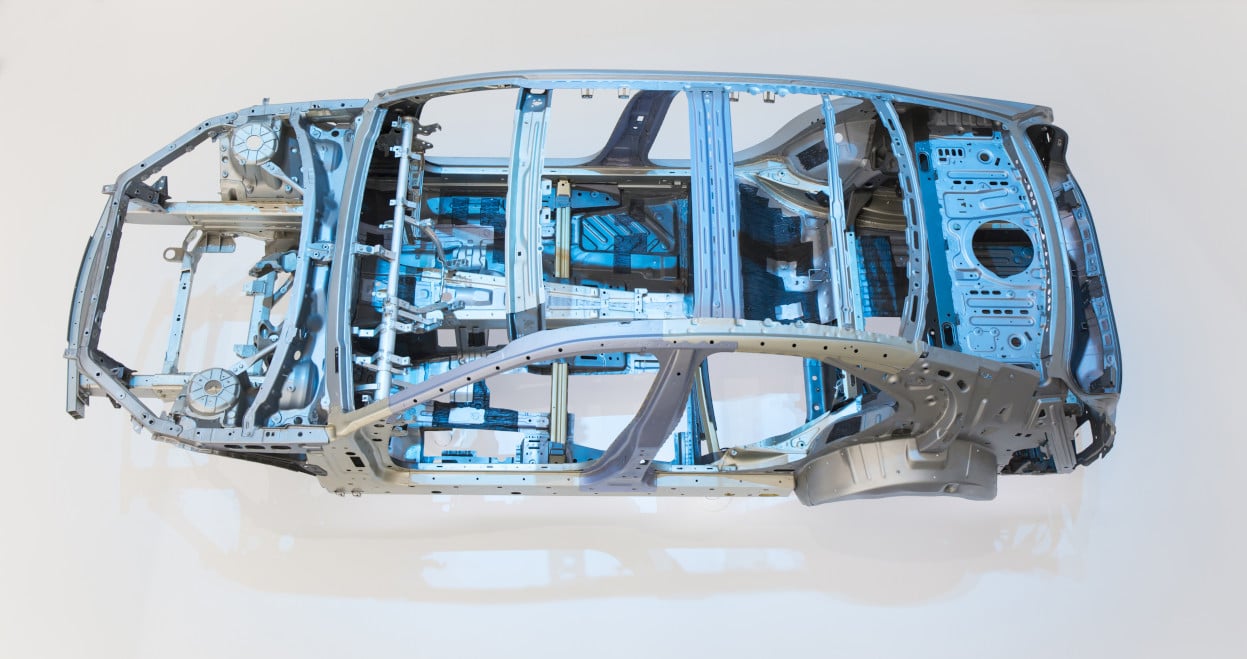
Modern vehicles use different structural designs and materials, so “frame repair” does not mean the exact same thing for every car, truck, or SUV. Depending on the vehicle, a repair may involve a conventional frame, unibody structure, rails, aprons, pillars, mounting points, or other structural sections.
The repair approach should be based on the actual damage and the repair information that applies to that vehicle. That can include measuring, straightening, section repair, component replacement, alignment checks, and related body work.
Structural work often connects with auto body repair, refinishing, wheel or suspension alignment checks, and insurance documentation. The goal is to address the whole damaged area rather than treating one visible symptom in isolation.
These symptoms do not prove that a frame or structural component is damaged, but they are reasons to have the vehicle evaluated after an impact.
Bent, buckled, cracked, or displaced structural areas can indicate that more than exterior sheet metal was affected.
Doors, hoods, trunks, liftgates, or body panels that no longer fit or close as they did before the collision may warrant closer inspection.
A vehicle that pulls, tracks differently, or no longer feels aligned after an accident should be inspected to determine the cause.
Uneven wear can have several causes. After a collision, it may be one clue that alignment, suspension, wheel, or structural measurements should be checked.
Damage around rails, pillars, apron areas, mounting points, or other structural zones may require measurement even if some of the visible damage appears limited.
Additional structural or mounting-point damage may only become visible after damaged exterior parts are removed.
The exact steps vary by vehicle and damage, but a structural repair commonly involves inspection, measurement, repair planning, and verification.
The visible collision damage is documented and the affected areas are reviewed to determine what requires closer evaluation.
When structural damage is suspected, measurements and vehicle-specific information can help determine whether components are within the applicable specifications.
The plan may call for straightening, repair, sectioning, replacement, or related body work depending on the vehicle and damage.
If an insurance claim is involved, documented repair needs and estimate differences can be communicated through the claim and supplement process.
After the structural work is completed, the repaired areas and related fit, measurements, and body work are reviewed before the vehicle moves through the remaining repair process.
An impact strong enough to affect structural components can also damage body panels, bumpers, paint, glass, wheels, suspension-related areas, or vehicle systems around the point of impact. These pages explain the related repair work in more detail.
It can, but not every minor accident does. The outcome depends on the vehicle, point of impact, speed, and how the force traveled through the structure. An inspection is the best way to determine whether structural measurements or repairs are needed.
Repair time depends on the extent of the damage, the type of structural work required, parts availability, and whether other body or paint repairs are also needed. A timeline is more meaningful after the vehicle has been evaluated.
Collision-related structural repairs may be included in an insurance claim, but coverage depends on the policy, claim, and insurer's review. Lone Star can provide repair-related documentation and supplement information when applicable.
Some structural or mounting-point damage can be hidden behind exterior panels and components. If additional damage is found after disassembly, the repair plan and estimate may need to be updated.
Structural damage can be one possible cause of alignment or tracking concerns after a collision, but suspension, steering, wheels, and tires can also be involved. The vehicle should be evaluated to determine the actual cause.
Lone Star Paint & Body is located at 719 N Cowan Ave #100 in Lewisville, TX 75057.
Send photos online, schedule a visit, or call Lone Star Paint & Body to discuss the accident damage and the next step for your vehicle.