
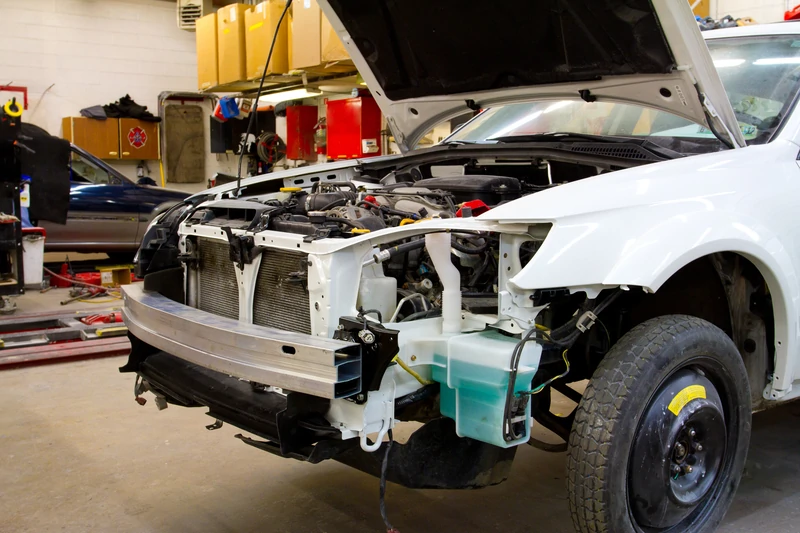
After an accident, most people do the same thing: they walk around their vehicle, look for dents, check the bumpers, and decide whether the damage “looks bad enough” to worry about. If the vehicle still drives and nothing appears obviously broken, it’s tempting to assume everything is fine.
But modern vehicles don’t always show damage the way older ones did. What looks like a minor fender bender on the outside can hide problems underneath that affect safety, handling, and long-term reliability. In many cases, those hidden issues don’t show up right away — they reveal themselves weeks or even months later, often when repairs are more complicated and expensive.
Understanding hidden collision damage can help you make smarter decisions after an accident and avoid problems that could have been prevented with a proper inspection.
Why Modern Vehicles Hide Damage So Well
Vehicles today are engineered very differently than they were even 10 or 15 years ago. While that’s good for safety, it also means damage isn’t always obvious.
Modern vehicles are built with:
- Crumple zones designed to absorb impact
- Plastic bumper covers that flex and return to shape
- High-strength steel and aluminum components
- Advanced safety systems and sensors hidden behind panels
All of these components work together to protect occupants during a collision — but they also make damage harder to spot.
A bumper cover might look fine while the brackets behind it are bent. A panel may pop back into place while the mounting points underneath are compromised. Sensors may be knocked out of alignment without triggering an immediate warning light.
In other words, today’s vehicles are designed to manage energy during a crash — and that energy has to go somewhere.
Common Types of Hidden Damage After an Accident
Hidden damage isn’t rare. In fact, it’s common, even in low-speed impacts. Here are some of the most frequent issues found during professional inspections.
Structural and Frame Shifts
Even small impacts can cause slight shifts in the vehicle’s structure. These shifts are often measured in millimeters, but they can affect:
- alignment
- handling
- tire wear
- how the vehicle absorbs future impacts
Suspension and Steering Issues
A hit to a wheel, curb, or corner of the vehicle can:
- bend control arms
- damage tie rods
- alter suspension geometry
The vehicle may still drive, but it might pull to one side, feel unstable at highway speeds, or wear tires unevenly over time.
Sensor and Safety System Misalignment
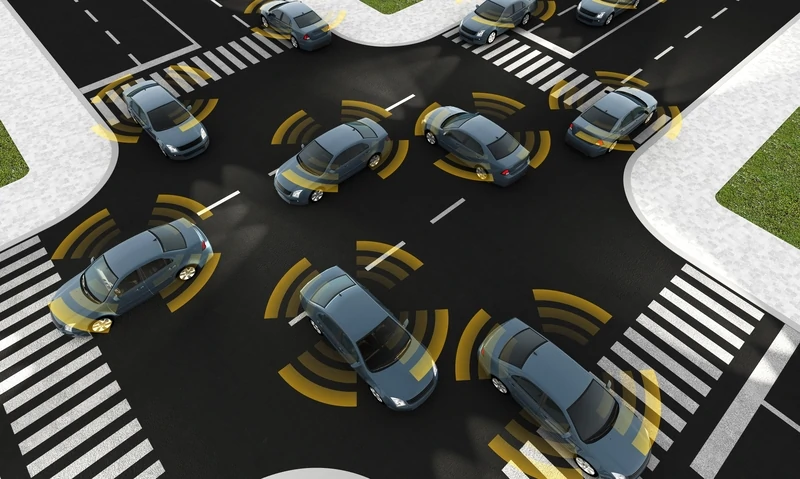
Many modern safety features rely on precise calibration, including:
- forward collision warning
- blind spot monitoring
- adaptive cruise control
- parking sensors
If these systems are misaligned, they may not function properly — even if no warning lights are illuminated.
Mounting Brackets and Reinforcements
Behind bumpers and panels are brackets, absorbers, and reinforcements designed to manage impact. These components are often damaged even when the outer panel looks untouched.
Electrical and Wiring Issues
Impacts can pinch wiring, loosen connectors, or damage modules. These problems may not surface immediately, but can cause intermittent issues later.
“It Drives Fine” — Until It Doesn’t
One of the most common phrases heard after a minor accident is: “It drives fine.”
And at first, that may be true.
But hidden damage has a way of revealing itself slowly. Problems that start small can worsen with time and mileage.
Some delayed symptoms include:
- steering wheel vibration
- pulling to one side
- uneven or rapid tire wear
- warning lights appearing days or weeks later
- increased road noise
- poor handling in rain or at highway speeds
By the time these symptoms appear, the damage has often progressed. What could have been addressed early may now require more extensive repairs.
Why Visual Estimates Aren’t Enough
A visual estimate only tells part of the story.
From the outside, a technician can see:
- scratches
- dents
- cracked panels
- obvious misalignment
What they can’t see without further inspection is what’s happening underneath those panels.
That’s why professional collision repair often includes:
- partial disassembly
- measurement checks
- scanning for system faults
- inspection of mounting points and structural components
This isn’t about overcomplicating the process — it’s about understanding the full scope of damage so repairs can be done correctly the first time.
When You Should Get an Inspection (Even After a Minor Hit)
Some situations are especially likely to cause hidden damage, even if the accident felt minor.
You should strongly consider a professional inspection if:
- you were rear-ended at low speed
- your vehicle hit a curb or median
- a parking lot accident caused bumper contact
- a wheel or corner took the impact
- hail damage affected more than just the roof
- airbags did not deploy but impact was sudden
These types of incidents often transfer force to areas that aren’t immediately visible.
What a Proper Auto Body Inspection Includes
A thorough inspection goes beyond a quick walk-around. While every shop may approach it slightly differently, a proper evaluation typically includes:
Visual Assessment
Reviewing exterior damage, panel gaps, and alignment issues.
Disassembly Where Needed
Removing trim, bumper covers, or panels to inspect what’s underneath.
Structural and Measurement Checks
Verifying that the vehicle’s structure and mounting points are within manufacturer specifications.
System Scanning
Checking for stored fault codes related to safety systems, sensors, or electrical components.
Repair Planning
Identifying all affected components so repairs can be completed properly — not just cosmetically.
This process helps ensure the vehicle isn’t just “fixed,” but restored in a way that supports safety, performance, and long-term reliability.
Why Skipping an Inspection Can Cost You More Later
Some drivers choose to skip a full inspection because:
- the damage looks minor
- they’re worried about cost
- they want to move on quickly
Unfortunately, skipping this step can lead to:
- recurring alignment issues
- repeat visits for unresolved problems
- higher long-term repair costs
- reduced resale value
- compromised safety in future accidents
Addressing hidden damage early is almost always easier — and less expensive — than fixing the consequences later.
The Bigger Picture: Protecting Your Vehicle and Your Safety
A vehicle is more than just transportation. It’s a complex system designed to protect you in the event of an accident. When that system is compromised — even slightly — it matters.
Hidden damage doesn’t mean a shop is “finding problems that aren’t there.” It means modern vehicles require modern inspection methods.
Taking the time to understand what’s beneath the surface helps ensure your vehicle is truly repaired, not just made to look good.
Key Takeaways
- Modern vehicles can hide serious damage after a minor accident: Bumper covers and panels may look fine while brackets, reinforcements, or mounting points underneath are bent or compromised.
- “It drives fine” isn’t always a reliable sign everything is okay: Alignment, suspension, and steering issues often show up later as pulling, vibration, uneven tire wear, or new warning lights.
- Hidden damage can affect safety systems and sensors: ADAS features like blind spot monitoring, collision warning, and parking sensors may be misaligned even if no dashboard lights appear right away.
- A proper inspection goes beyond a quick walk-around: Accurate collision evaluation may require disassembly, measurements, and scanning so the repair plan addresses what’s beneath the surface—not just what you can see.
- Catching problems early usually saves money and hassle: Addressing hidden damage promptly can prevent repeat repairs, worsening wear, reduced resale value, and bigger costs down the road.
Final Thoughts
If your vehicle has been involved in an accident — even a minor one — don’t rely solely on what you can see. Modern vehicles are designed to absorb impact in ways that aren’t always visible, and hidden damage can lead to real problems down the road.
A professional inspection provides clarity, protects your investment, and helps ensure your vehicle continues to perform the way it was designed to.
When it comes to collision damage, what you can’t see is often just as important as what you can.